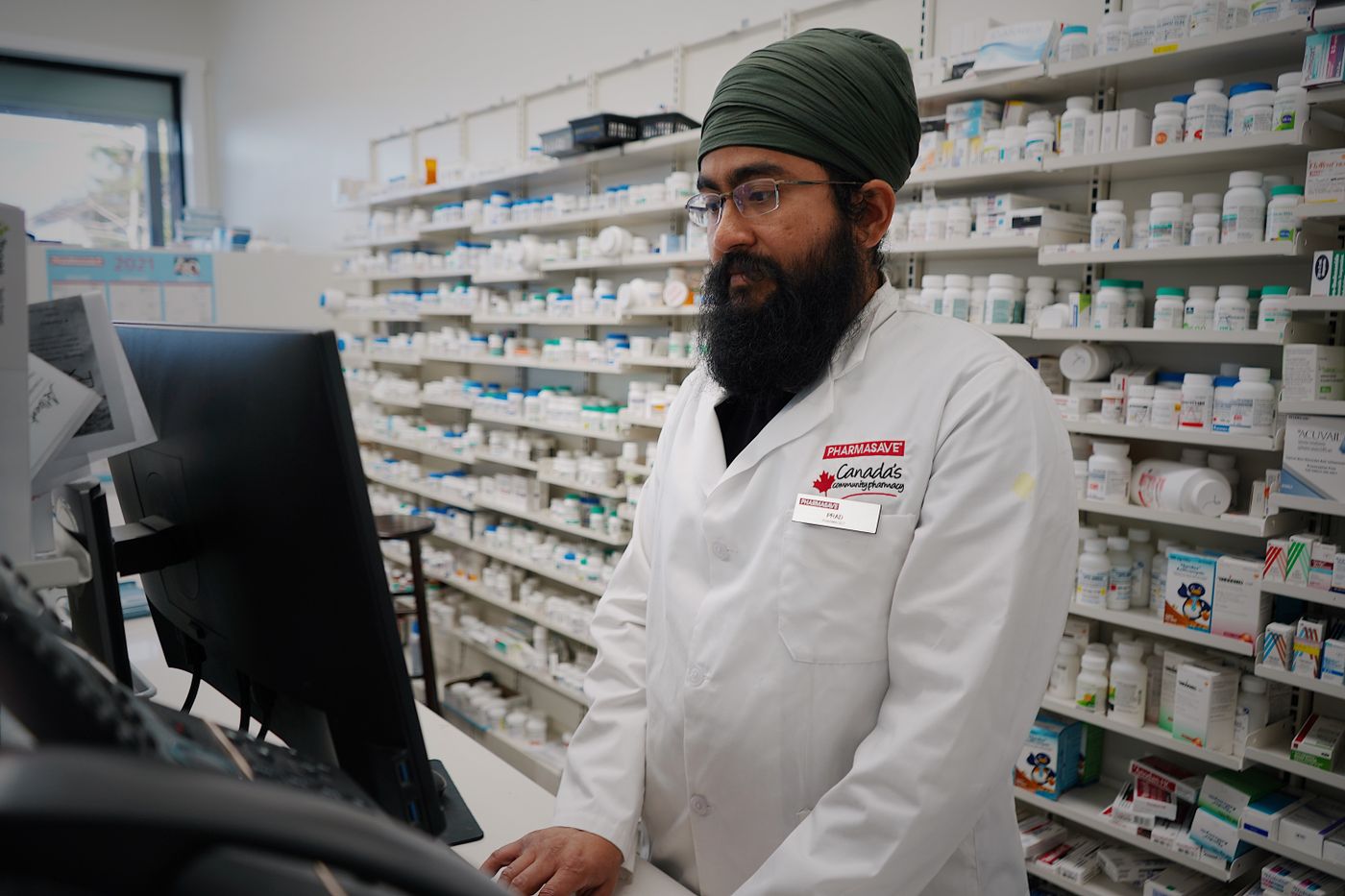
For a lot of people in Nepal, the pharmacy is the first stop when something is wrong. It is closer than a clinic, there is no queue for a ticket, and the advice is free. That makes the person behind the counter one of the most used health workers in the country, and one of the least used well. Most of us hand over a prescription, pay and leave.
Who is behind the counter
Under Nepali law a pharmacy needs a licence from the Department of Drug Administration and has to be run under a qualified person registered with the Nepal Pharmacy Council. That may be a pharmacist with a pharmacy degree or a pharmacy assistant with a diploma. It is reasonable to ask who the registered person is, and a licensed pharmacy should display its certificate.
Questions to ask when you get a new medicine
- What is this for? Especially if your doctor prescribed several things at once.
- How and when do I take it? Before or after food? Morning or night? Can I crush or split it?
- How long do I take it for? Until the strip runs out, until I feel better, or for life? With antibiotics, finishing the course matters.
- What side effects are common, and which ones mean I should stop?
- Does it interact with anything else I take? Including supplements and herbal products.
- What if I miss a dose?
- Is there a cheaper brand with the same ingredient and strength?
- How should I store it? This matters more in summer and in the monsoon. See our storage guide.
What to tell them
The pharmacist can only catch problems with what they know about. Tell them:
- Every medicine you take regularly, including ones from a different doctor or a different pharmacy
- Vitamins, supplements, Ayurvedic and herbal products
- Allergies, including to any medicine you have reacted to before
- If you are pregnant, might be pregnant, or are breastfeeding
- Long-term conditions such as diabetes, high blood pressure, kidney or liver problems, asthma or stomach ulcers
- For a child, their age and approximate weight
Keeping a written list on your phone makes this easy. It is also useful in an emergency.
What a pharmacist can and cannot do
Nepal sorts medicines into three groups under the Drugs Act. Group Ka covers narcotic and similar controlled medicines, and Group Kha covers medicines such as antibiotics and hormones. Both need a doctor's prescription. Group Ga covers over-the-counter medicines such as common pain relievers, antihistamines and vitamins, which a pharmacy can sell without one.
So a pharmacist can recommend an over-the-counter medicine for a mild problem, like a cold, a headache, acidity or a minor skin rash, and explain how to use it. They should not sell you antibiotics without a prescription, even if you ask. If one does, that is a reason to be more careful about that pharmacy, not less.
When the pharmacist should send you to a doctor
A good pharmacist knows the limits and will tell you to see a doctor for things like:
- A high fever lasting more than two or three days, or any fever in a young baby
- Chest pain, difficulty breathing, or sudden weakness on one side
- Blood in vomit, stool or urine
- A cough lasting more than three weeks
- Symptoms that keep coming back after over-the-counter treatment
If a pharmacist suggests you see a doctor, that is a sign they are doing the job properly.
Finding a pharmacy you trust
Price and distance matter, but so do a few other things: a licence on display, stock kept out of direct sun, staff who ask what else you are taking, and who are willing to say "you should see a doctor". Once you find that pharmacy, use it for everything. A pharmacist who sees all your medicines is in a much better position to spot a problem.
This article is general information, not medical advice. Talk to your doctor or pharmacist about your own medicines and health.