The expiry date on a medicine assumes it was stored as the label says, which is almost always "store below 25°C" or "below 30°C", in a dry place, away from light. From June to September, a lot of homes in Nepal are none of those things. Kathmandu stays damp for weeks, and summer in the Terai regularly goes well above 35°C.
Heat and moisture break down many medicines faster. The tablet may look fine and still be weaker than it should be. A few simple habits make a real difference.
The two worst places in the house
The bathroom. Steam from hot showers and buckets of hot water makes it the most humid room in the house. Medicines kept there absorb moisture every day.
The kitchen, near the stove. Heat from cooking, plus steam. The shelf above the gas cylinder is a particularly bad spot.
Also avoid windowsills, the top of the fridge (it is warm up there), and the car or a motorbike storage box, which can get very hot in the sun.
Where to keep them instead
A bedroom cupboard or a closed drawer away from outside walls is usually the coolest, driest and darkest spot. Keep medicines in a box or container that is out of reach and sight of children, and ideally lockable if you have young children at home.
Monsoon habits that help
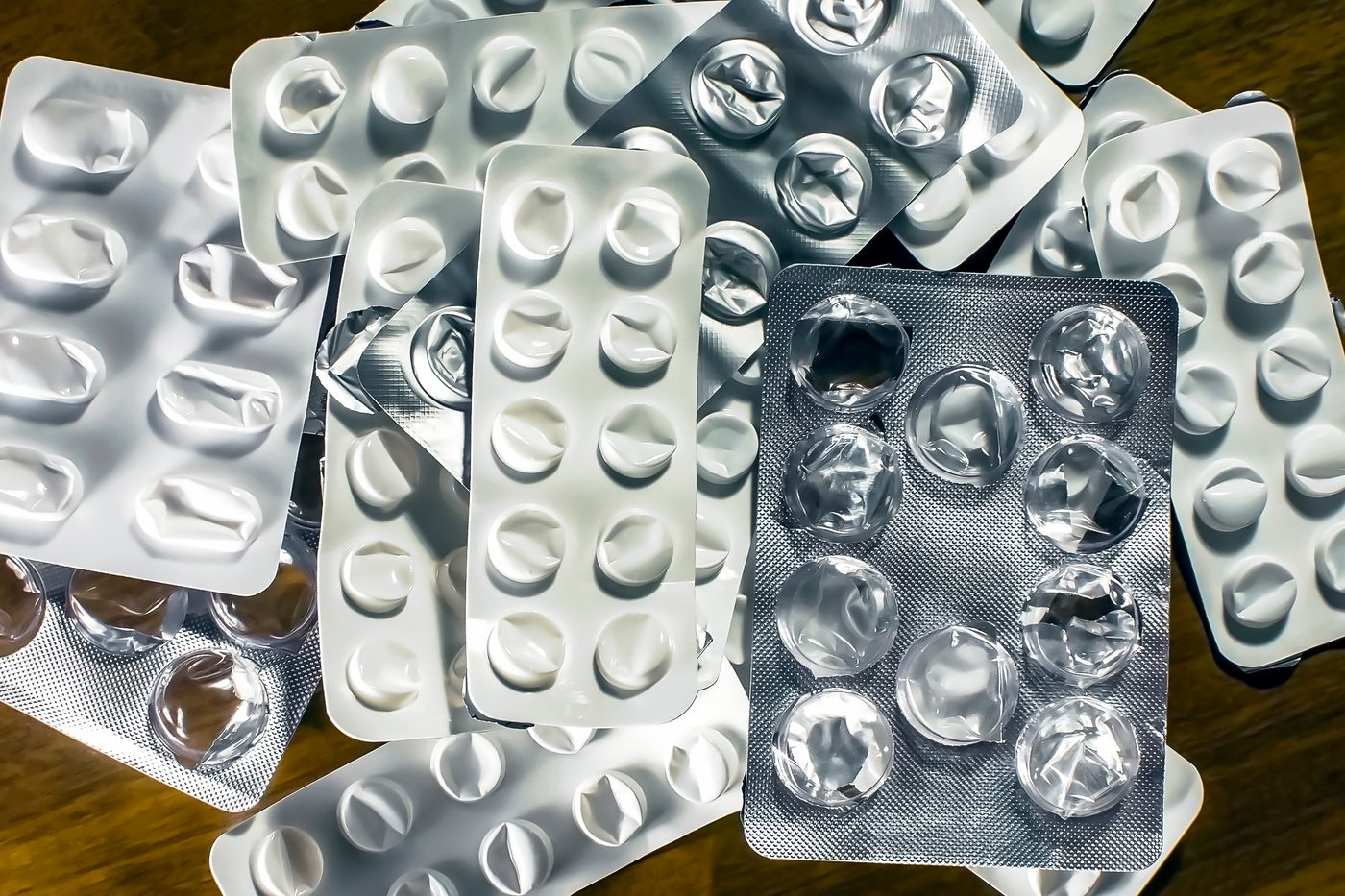
- Keep the original pack. Blister strips and the bottle the medicine came in are designed to keep moisture out. Pill organisers are useful for daily doses, but fill them for a week at most during humid months.
- Leave the silica gel sachet in the bottle. It is there to absorb moisture. Do not throw it away.
- Close bottles straight away. Each time a jar of tablets stays open on a humid day, it lets moisture in.
- Do not cut strips more than you need to. Cutting through the foil can break the seal on the next tablet.
- Dry hands before handling tablets. Obvious, but easy to forget.
Medicines that need extra care
- Insulin. Unopened insulin is kept in the fridge (not the freezer). The pen or vial in use can usually stay at room temperature for a limited number of days, but only if the room is not too hot. In a Terai summer that often means keeping it in the fridge too. Check the leaflet for your brand.
- Some eye drops, vaccines and liquid antibiotics. Many need refrigeration after opening or mixing. The label will say.
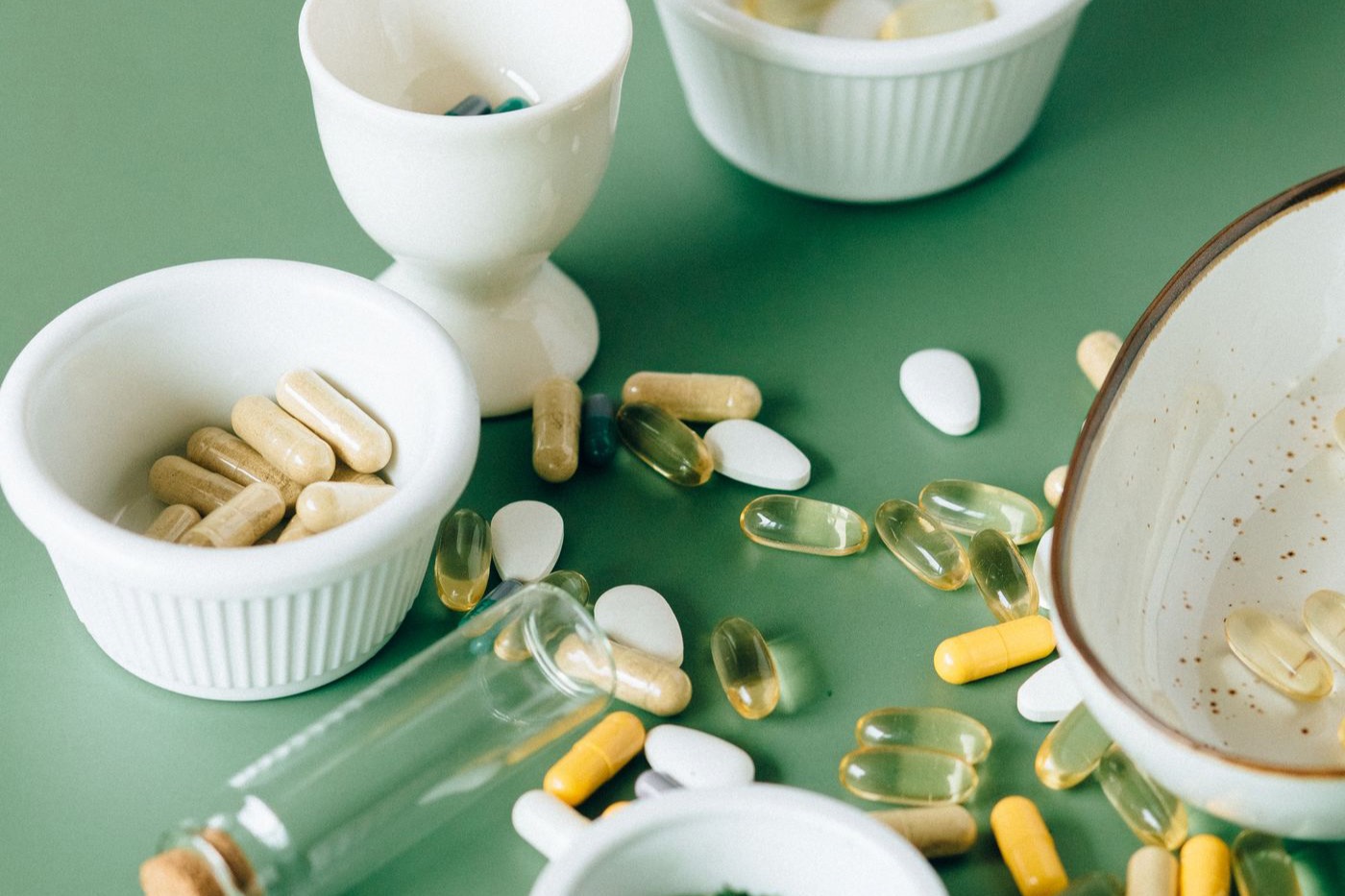
- Softgel capsules (fish oil, vitamin E and similar). They can stick together or soften in heat. Keep them cool.
- Effervescent tablets and powders. These react with moisture by design, so a damp tube is ruined quickly.
During power cuts
If your fridge loses power for a few hours, keep the door shut and the medicine inside. If the outage runs longer or the medicine gets warm, ask your pharmacist whether it is still usable. Do not freeze insulin to "make up" for it. Frozen insulin should not be used.
Signs a medicine has been damaged
Throw it out, or show it to a pharmacist, if you notice:
- Tablets that are soft, swollen, cracked, spotted or crumbling
- Capsules stuck together or leaking
- Syrups that have changed colour, turned cloudy or smell different
- Creams that have separated or changed texture
Damaged medicine should be disposed of properly, not flushed or thrown loose into household rubbish. We cover that in our post on expired medicines.
A good pharmacy does all of this on its side too: shelves out of direct sun, temperature-sensitive stock in a fridge, and old stock moved out before it expires. If you see medicine sitting in a sunny shop window, that tells you something about how the rest of the stock is handled.
This article is general information, not medical advice. Talk to your doctor or pharmacist about your own medicines and health.